Furnish Your Family Home
Handcrafted furniture designed for comfort, durability, and timeless elegance
Handcrafted furniture designed for comfort, durability, and timeless elegance
Handcrafted with the finest materials and traditional techniques
Furniture designed to withstand years of family use
Every piece designed with growing families in mind
Responsibly sourced materials and eco-friendly practices
Each piece of Heirloom Home furniture is meticulously crafted by skilled artisans who understand the importance of quality and durability. We use only the finest European hardwoods and premium upholstery materials to ensure your furniture becomes a cherished part of your family for generations.
Our furniture comes in various sizes to accommodate families of all shapes and sizes. From spacious sectionals to extendable dining tables, we have solutions for every family need.
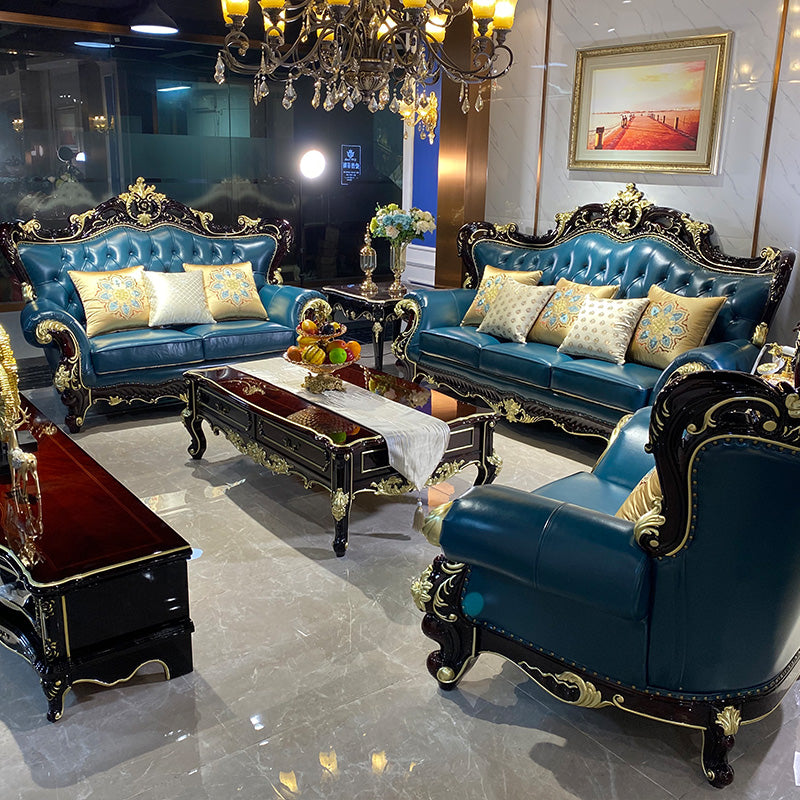
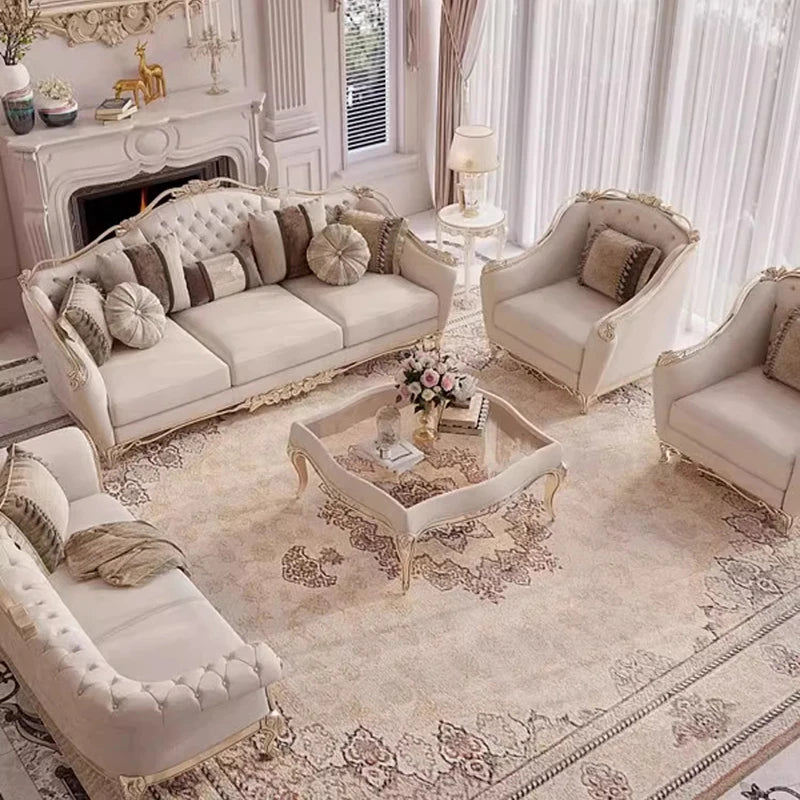
Perfect for families of 5+. Spacious seating with optional recliners and storage.
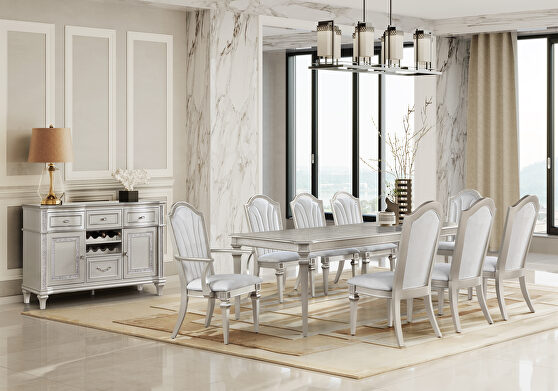
Grows with your family. Seats 6-12+ depending on configuration.
Integrated storage keeps family spaces organized and clutter-free.
Discover our complete collection of family furniture
Request a Catalog